By Florentine Wren Caldeross · Publisher: Velvet Lantern Shared Spaces Quarterly
A resort evening is a sequence of rooms: a dining table, a lounge chair, a performance entrance and perhaps a gaming floor. The spaces between them matter too. This October 2026 review looks at the public interior as a practical plan for companions with different interests. It makes no assumption about tonight’s programme, room availability or the services attached to a reservation.
Begin with the dining table
A shared meal provides a natural point of agreement. Confirm the actual reservation time, location and any requirements important to your group. Then leave room for the meal to have its own pace. A restaurant description cannot tell you how long your particular evening will take, and a tight sequence can turn conversation into checking the clock after each course.
If a performance follows, confirm its current arrangements with the venue rather than drawing a timetable from general entertainment text. Ask about the entrance, seating time and route from the dining room. These questions join two parts of the building into one usable plan. They also reveal whether a comfortable pause is possible without assuming every advertised space is open that evening.
Build a flexible sequence
- Confirm the meal and any separately reserved performance.
- Choose a meeting place that everyone can identify.
- Leave the remaining interval open to different preferences.
Give the intervals somewhere to happen
A lounge can serve as more than a decorative background. It may offer a place to talk, wait or decide what comes next, but the details need checking. Ask whether seating is available to your group and whether the space has conditions of use. A photograph of empty chairs establishes a look, not a promise that those chairs will be free after dinner.
Consider sound as well as distance. A seat beside live music suits one conversation and interrupts another. Someone who wants a quiet interval may prefer a different room from a companion following the performance. When the building offers alternatives, learning how they connect makes separation feel ordinary. It is easier to enjoy different choices when meeting again does not require a search.
| Space | Planning question |
|---|---|
| Dining room | What is actually reserved? |
| Lounge | Can we sit and talk here? |
| Show entrance | When and where should we arrive? |
| Meeting point | Can everyone find it independently? |
Keep the optional parts optional
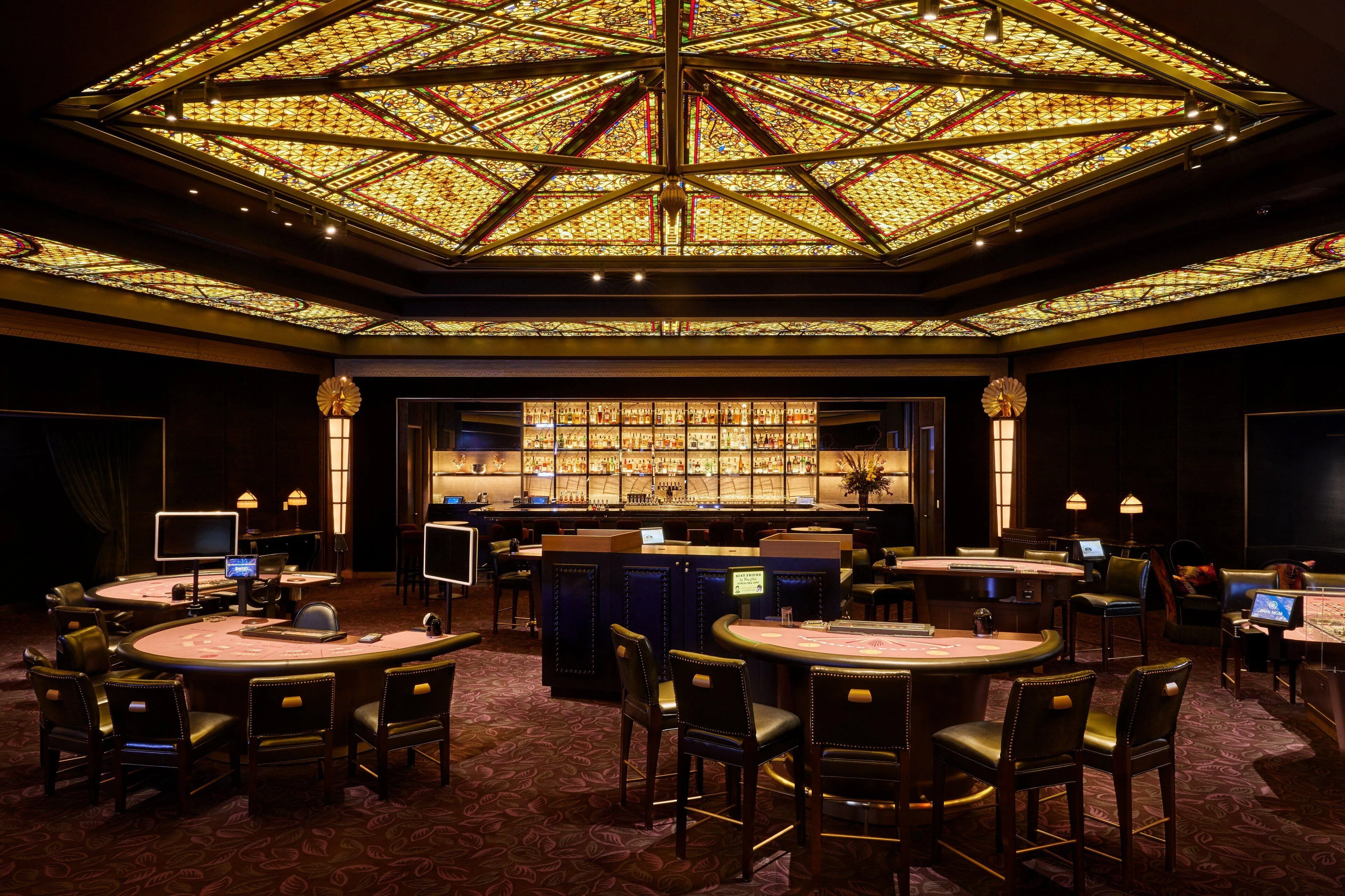
A casino resort does not require every guest to spend the evening in the same way. One person may want to observe the tables, another to hear music and another to return to the room. Agree on those possibilities before splitting up. If anyone visits a gaming area, confirm the venue’s current entry conditions and ask staff about unfamiliar procedures rather than copying another guest.
- Agree on a time and a recognisable place to reconnect.
- Allow someone to leave early without explaining a result.
- Keep gaming expenditure separate from the shared meal plan.
Observation can be a complete visit. Stand where staff indicate, leave active players space and ask questions at an appropriate pause. There is no need to take a seat to justify curiosity. If choosing to play, decide the amount and time you are prepared to use beforehand. A companion’s enthusiasm does not determine another person’s participation or change the plan for getting back together.
The evening route starts earlier in the stay. Our arrival article explains why a clear internal route helps after the journey. The demo round review brings the same patient attention to a screen. Both favour understanding the next step before moving on, leaving room for a different choice when circumstances change.
Author’s opinion
I judge an evening partly by how easy it is to pause. A good dinner, an identifiable meeting place and a comfortable route back to the room give separate interests a shared frame. I would rather leave an interval unfilled than turn every public room into an appointment. The building feels more welcoming when its spaces support choices instead of demanding a fixed procession.